
Location
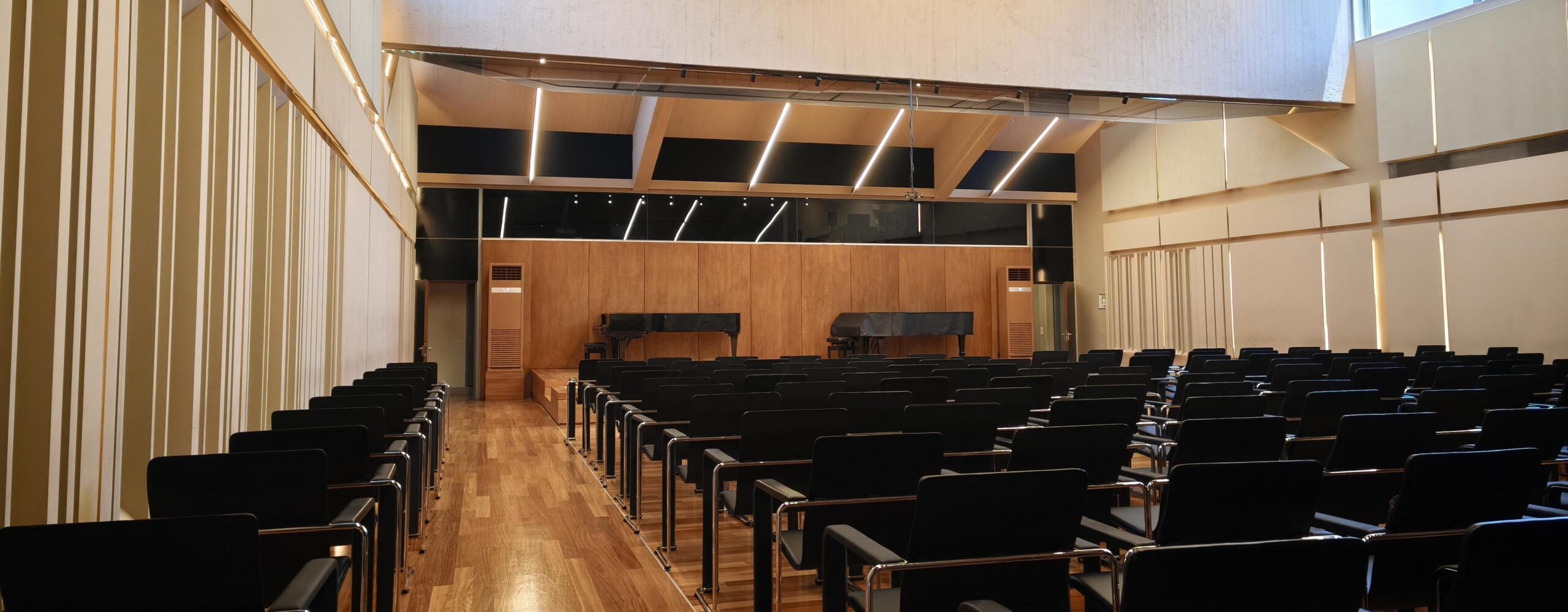 Aris Garoufalis Auditorium
New Venue – An Even Better TC301 Experience
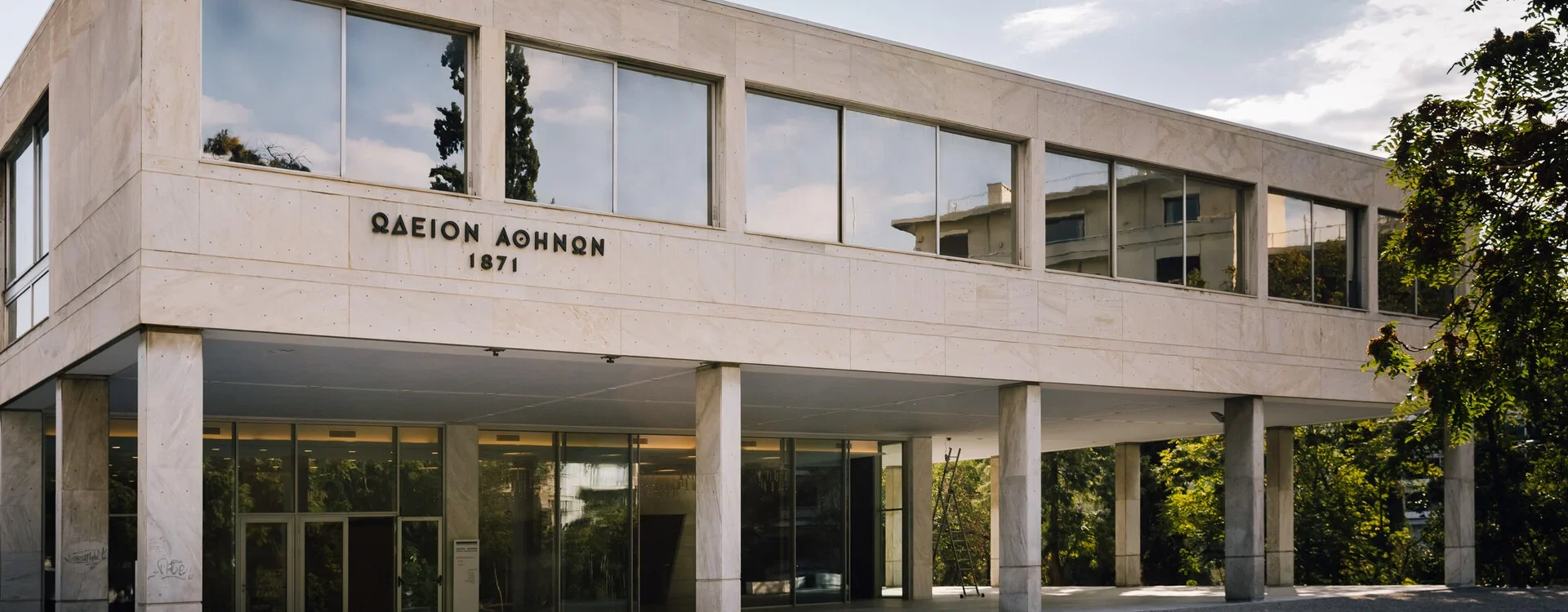
We are pleased to announce that TC301 2026 will be hosted at the Athens Conservatoire, one of the most iconic cultural and architectural landmarks in Athens.
This change became necessary due to unexpected delays in the renovation works of our originally selected venue. While this development was beyond our control, it provided an opportunity to secure an exceptional alternative that preserves—and in many ways enhances—the quality and character of the conference experience.
Most importantly, the spirit of TC301 remains unchanged. The new venue combines outstanding facilities with a unique architectural identity, creating an inspiring setting for discussions on the preservation of monuments and historic sites.
We are confident that this transition will elevate the overall conference experience and provide an unforgettable backdrop for TC301 2026.

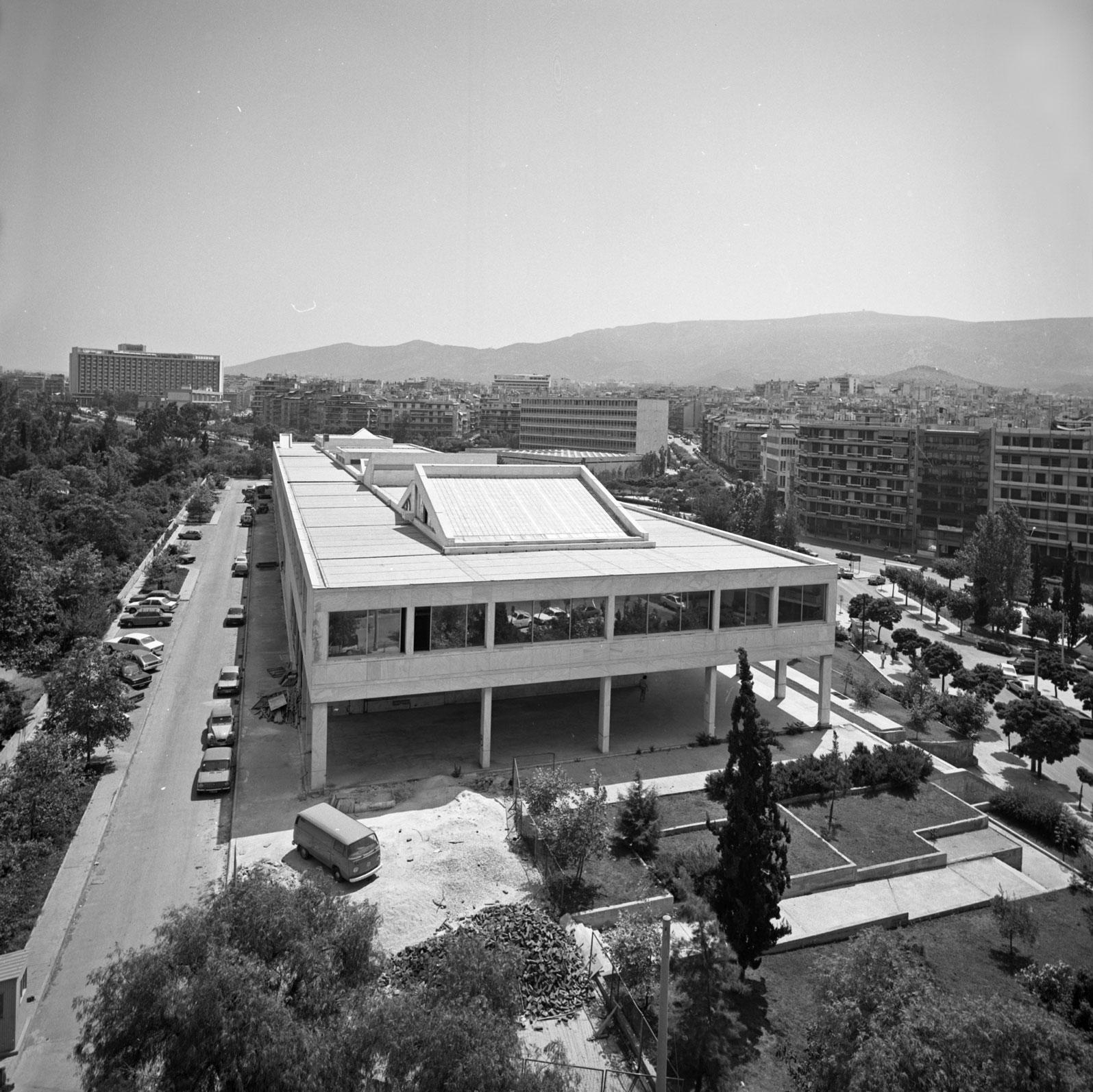
Born in Smyrna in 1903 and educated at the Bauhaus School in Weimar, Ioannis Despotopoulos was one of the leading figures of modern architecture in Greece and the only Greek architect to experience firsthand the intellectual and artistic environment of the Bauhaus. His international career later extended to Sweden, where he practiced architecture and taught at leading universities, further shaping his vision of architecture as a force for social and cultural progress.
The Athens Conservatoire is the most significant realization of that vision. Designed in 1959, it is the sole completed element of Despotopoulos' ambitious masterplan for the Athens Cultural Centre, reflecting his lifelong commitment to architecture as a catalyst for culture, education, and civic life.
A Bauhaus Pioneer in Greece
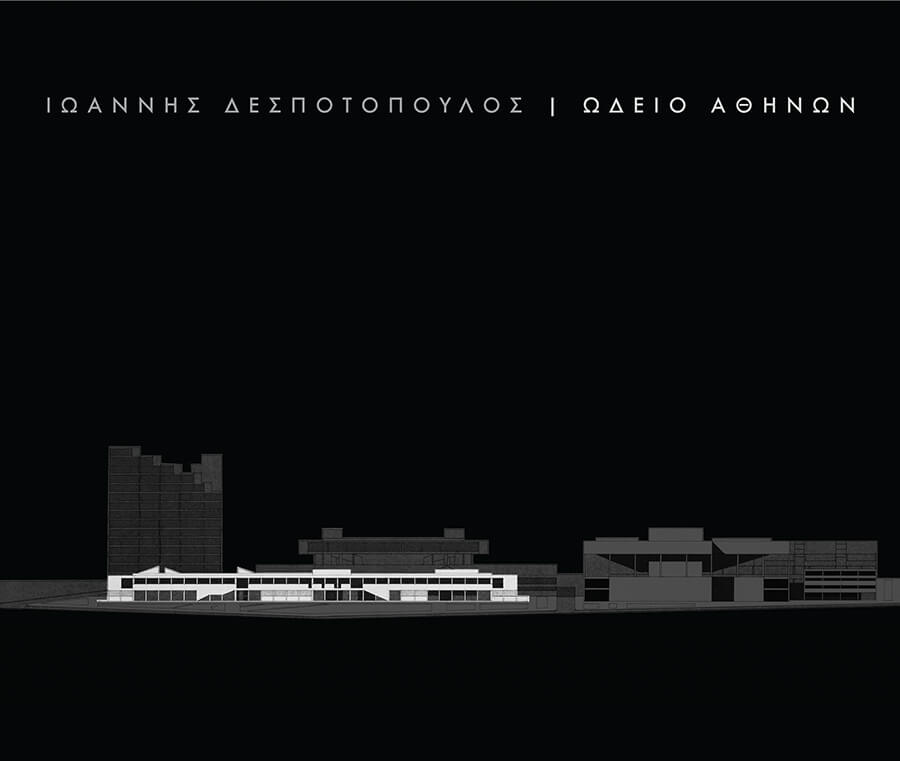
Drawing inspiration from both the ideals of European modernism and the civic traditions of ancient Athens, Despotopoulos conceived the Conservatoire as a contemporary agora: a place where culture, education, and public life converge.
Its monumental arcade, generous public spaces, and clear geometric forms reflect a belief that architecture should do more than accommodate activities—it should foster community. For Despotopoulos, buildings were instruments for shaping civic identity and encouraging human interaction. The Conservatoire was therefore designed not merely as a music school, but as a cultural gathering place where creativity, learning, and exchange could flourish.
Designing Athens' Modern Agora
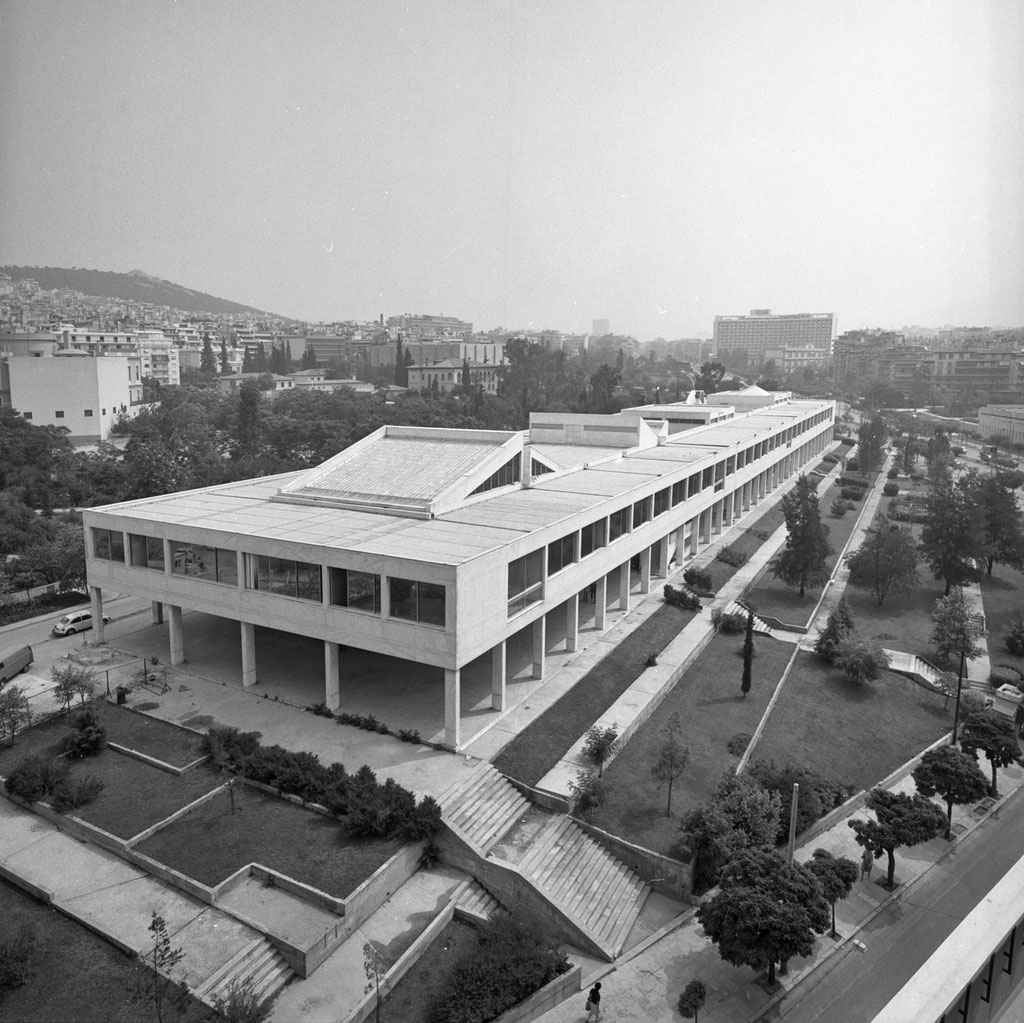
More than six decades after its conception, the Athens Conservatoire continues to embody the relevance and adaptability of Despotopoulos' vision. Recognized in 2017 as a protected Modern Monument by Greece's Central Council for Modern Heritage, the building stands as an important example of how twentieth-century architectural landmarks can be preserved and adapted for contemporary use.
Following an extensive three-year restoration and modernization programme, long-unfinished spaces have been completed and revitalized, including the impressive Despotopoulos Amphitheatre—a 600-seat venue whose architectural language evokes the civic spirit of the ancient Greek theatre. Enhanced teaching facilities, recording studios, technology spaces, and cultural venues have transformed the Conservatoire into a vibrant hub for education, performance, innovation, and public dialogue.
Through a thoughtful balance of conservation and renewal, the Athens Conservatoire remains true to its original purpose: a modern agora where culture, creativity, learning, and community come together. Today, it stands not only as one of Athens' most significant architectural landmarks, but also as a compelling example of the sustainable regeneration of modern cultural heritage.
A Monument Reimagined
Discover Athens Right Outside the Venue
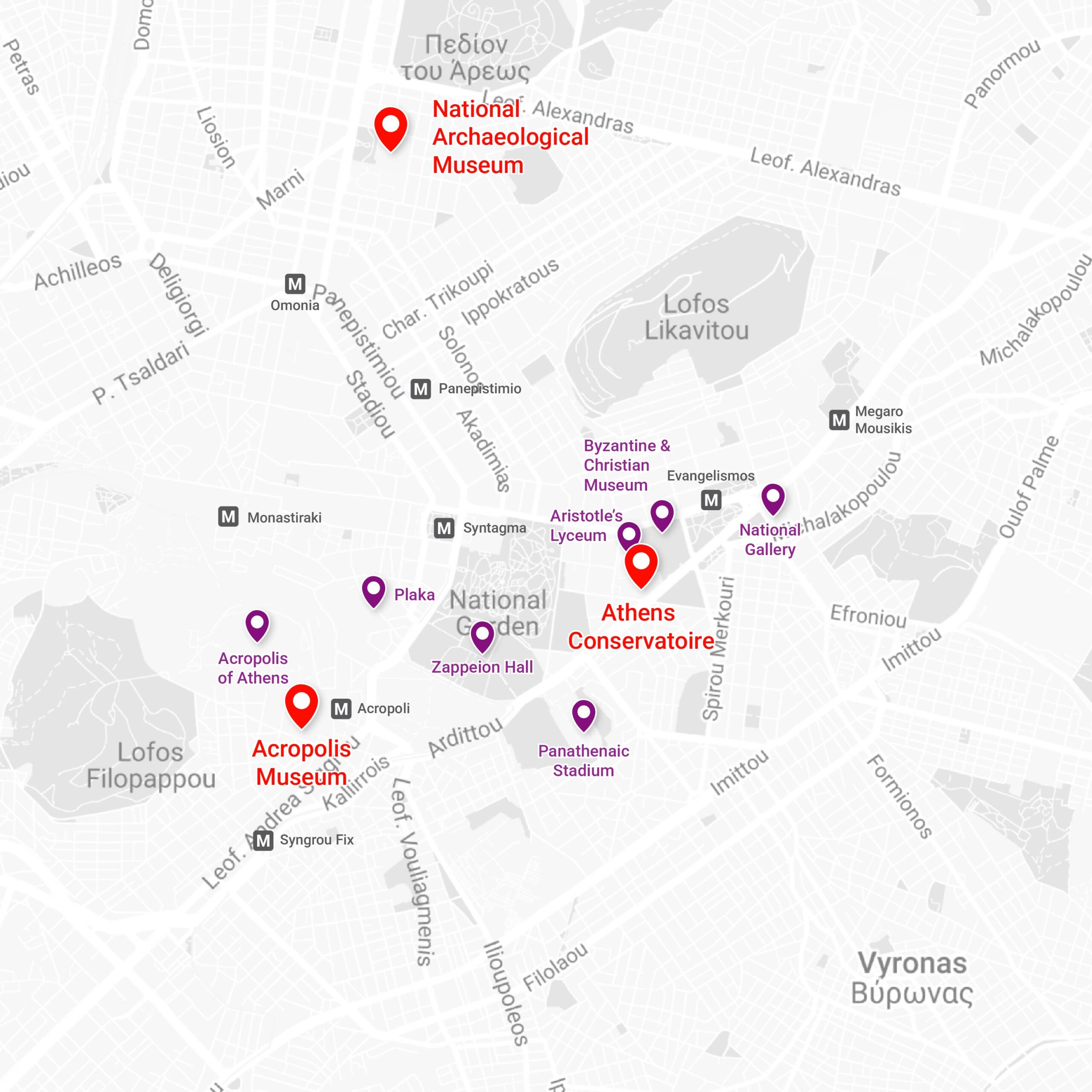
Located in the heart of Athens, the Athens Conservatoire combines excellent public transport connections with immediate access to many of the city’s most iconic landmarks.
Within a short walk, participants can explore Syntagma Square and Kolonaki Square, stroll through the National Gardens, and visit the Presidential Mansion and the Hellenic Parliament. The venue is also adjacent to the archaeological site of Aristotle’s Lyceum and the Byzantine and Christian Museum, while the historic Panathenaic Stadium—host of the first modern Olympic Games in 1896—is just a pleasant walk away.
Conference Access
The Athens Conservatoire is easily reached by public transport. The nearest metro stations are Evangelismos Station and Syntagma Station, both located within a few minutes’ walk of the venue. Frequent bus services provide convenient connections from major hotels, attractions, and business districts across the city.
For international participants, Athens International Airport offers direct metro and express bus links to the city center, ensuring a smooth and efficient journey to the conference venue.
Athens: where classical meets contemporary
An ever-changing and vibrant metropolis bursting with creativity. From the iconic Acropolis rock and the historic neighbourhood of Plaka, to the exquisite New Acropolis Museum and the Stavros Niarchos Foundation Cultural Centre, the city offers limitless opportunities for cultural visits, entertainment in outdoor festivals and open air cinemas and all sort of activities. When your wanderings are over, you’ll be spoilt for choice for restaurants, from traditional Greek grubs to local seafood and vegetarian fares.
Athens: top attractions & experiences
Dive into History
Enjoy a visit to the Architectural Masterpieces of the Golden Age of Athens: The Propylaea, the Temple of Athena Nike, the Erechtheion and finally to the monument that “puts order in the mind”, the Parthenon. Before leaving the Acropolis area, take a tour at the new Acropolis Museum – a stunning modern piece of architecture that harmonically blends with the remains of the Ancient city – where you’ll find the Parthenon’s exquisitely carved decorations and the elegant Caryatid (the rest of the four are impounded by the British Museum). On your way to Acropolis hill, make a stop at some of the most emblematic city attractions: the Panathenaic Stadium (where the first modern Olympic Games were held in 1896), the Hadrian’s Arch, the Parliament of the Hellenic Republic and the Monument to the Unknown Soldier guarded by the Euzones, etc. Pay a visit to the National Archaeological Museum, and you will pleasantly surprise by its enormous collection made up from exquisitely sculpted masterpieces of bronze and marble; golden artifacts from Mycenaean palaces; delightful traces of Santorini’s prehistoric town of Akrotiri; painted vases featuring gods, heroes, favorite myths and fascinating glimpses into ancient life.

Appreciate the architectural evolution of the city
The contemporary urban environment of the city is not defined by a single architectural style and period. As you walk through the city center, you can feel the transformation of the city from its neoclassical era, drawing inspiration from the ancient Greece, the Byzantine and folk art, to a modern and post-modern city characterized by strict architectural lines and experimentation with new materials.

Enjoy the city’s thriving cultural scene
Experience the evolving cultural heartbeat of the city through art galleries, impressive museum exhibitions, theatres, music acts, collectives, or street art. At the vibrant neighborhoods of Kolonaki, Kerameikos & Metaxourgio you’ll find most of Athens’ art spaces. The National Gallery is as intriguing architecturally, as it is for its interior exhibits. Technopolis at Kerameikos has become a pole of attraction for music lovers. Onassis Stegi successfully manages to be “the place where contemporary culture meets aesthetics and science” hosting theatrical and musical performances, film screenings, art and digital shows.

Visit the emblematic SNFCC
The Stavros Niarchos Foundation Cultural Centre (SNFCC), designed by Italian architect Renzo Piano, is the city’s most recent cultural gem: apart from the Greek National Opera high-quality productions, the recreational center offers a series of exhibitions & performances open to the public, while its green surroundings and artificial canal make it the perfect destination for a relaxing break from the city.

Taste the local cuisine
Trying Greek cuisine should be high on the to-do list for anyone visiting Athens. Athens’ rich restaurant scene knows how to treat tradition, but also fuse it with creative gastronomy. The city’s endless culinary landscape includes both Greek and international cuisines, offering high-quality dishes combined with fresh ingredients.

Enjoy a time for unwinding in the Athenian Riviera
Athens Riviera covers a gorgeous 68 km coastline stretching from Piraeus (the Port of Athens) to Sounio (where the Temple of Poseidon stands) and the Port of Lavrion. If you lure for a drive along the shoreline, the Athenian Riviera, awaits to indulge you with its scenic views and the unlimited options for entertainment and relaxation. Enjoy the energy and the maranitime attractions at the twin harbors of Mikrolimano & Pasalimani in Piraeus, stroll across the beautiful promenade of Flisvos Marina in Palio Faliro and admire its large yachts while enjoying a coffee or an ice-cream. Continue your drive to Vouliagmeni Lake (dates back 2,000 years ago or even later, during the early Christian times, with the collapse of the roof of a vast underground cave due to movements and the Cretaceous erosion of the limestone in the area), which on terms of location, natural beauty and facilities, is the riviera’s crown jewel. For a more casual treat, visit Varkiza, where you can enjoy a swim and a cocktail in any of the many beach bars of the region. Then, at Sounio, you will find the Temple of Poseidon. Dedicated to the god of the sea by the ancient Athenians and built on a high rock at the very tip of the Attic peninsula, this structure gazes out over the Aegean, offering unparallel views and a truly unforgettable sunset. The coastal road ends at Lavrion famous in Classical antiquity for its silver mines, which was one of the chief sources of revenue of the Athenian state. The metallic silver was mainly used for coinage. The Archaeological Museum of Lavrion shows much of the story of these mines.


Source: Discover Greece